Montessori Infant Program (Ages 0 to 18 Months)
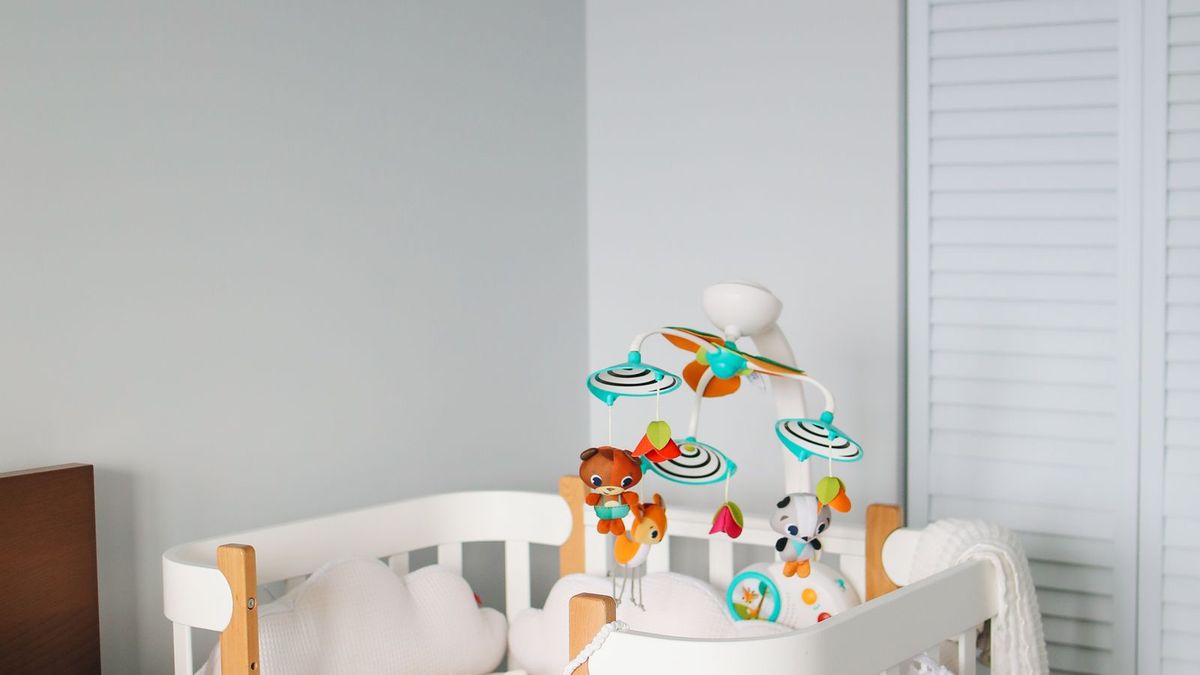
A calm, prepared room for the youngest children
Program Overview
The Montessori infant program gives babies a warm, safe room that supports the fast development of the first 18 months. Adults set up the space so infants can move freely, reach for objects and hear rich spoken language throughout the day.
Good to Know. Schools draw the line between infant and toddler groups at different ages. AMI standards, for example, describe a nido for babies from about 2 months to 12 or 15 months, followed by an infant community up to age 2.5 or 3, with a ratio of one adult to three babies in the nido (AMI/USA standards).
Key Development Areas
Physical Development
- Gross motor skills
- Fine motor development
- Movement coordination
Cognitive Development
- Sensory exploration
- Object permanence
- Cause and effect
Environment & Materials
Prepared Environment
- Safe, child-sized furniture
- Floor beds that let babies get in and out on their own
- Low mirrors
- Mobiles and other things to look at
Learning Materials
- Sensory materials
- Grasping objects
- Language materials
- Movement mats
Daily Activities
Morning
- Arrival routine
- Individual exploration
- Movement activities
Midday
- Feeding time
- Rest period
- Gentle activities
Afternoon
- Sensory activities
- Music and movement
- Departure routine
Find Montessori Schools Near You
Search by city, zip code or school name, or browse every country.
Browse All LocationsRelated Guides
What Is a Montessori School? A Morning in the Classroom, Explained
What a Montessori school is, told through one illustrative morning, with mixed ages, the guide, the materials, programs by age and honest trade-offs.
6 min read

How Much Does Montessori School Cost Once You Add Fees and Aftercare?
Build a real Montessori budget from tuition, fees, meals, aftercare and closed weeks, with dated national figures, tax help and questions for the school.
6 min read
How to Choose a Montessori School Before You Book a Tour
Narrow a Montessori shortlist before touring, using your child's age at entry, an ordinary weekday school run, your top priorities and what listings show.
5 min read