Does My Child Need to Be Potty Trained to Start Montessori Preschool?
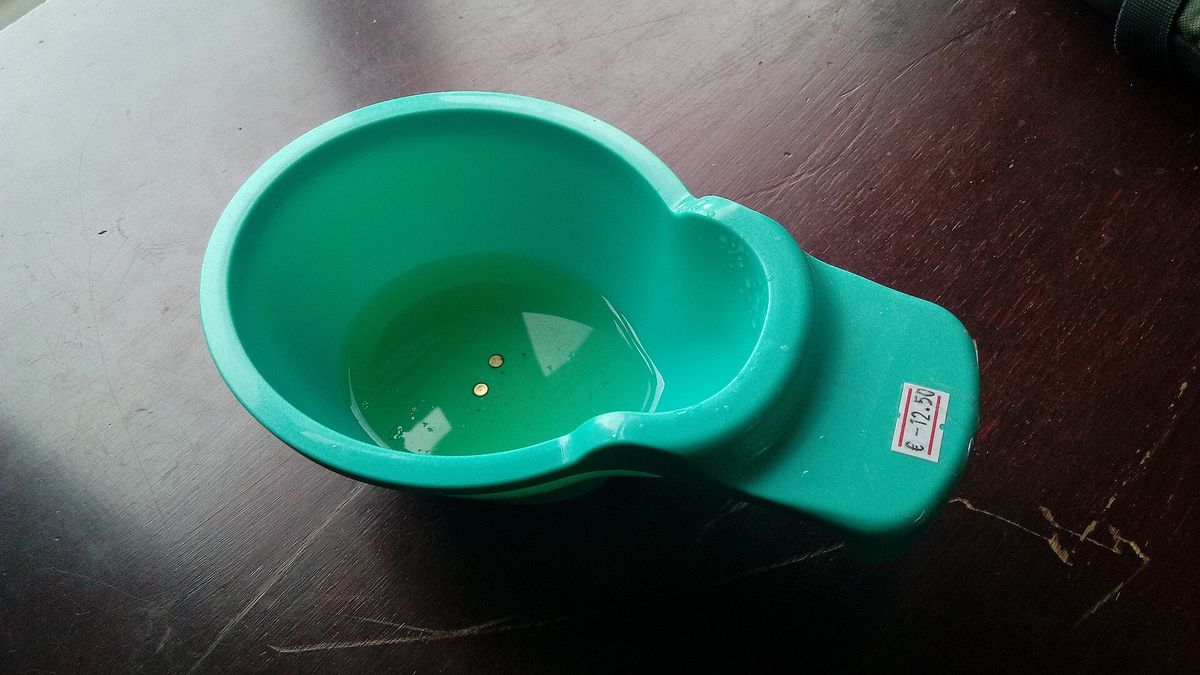
Not always. The rule depends on the school, the class and the license it operates under. Montessori toddler rooms treat toilet learning as part of the day, while a 3 to 6 class may expect a child to use the toilet with help only for accidents, so get each school’s rule for your child’s class in writing.
Why Do Some Montessori Schools Require It?
Usually for practical reasons. AMI’s standards describe a 3 to 6 class of 24 to 35 children with one trained teacher and, at most, one non-teaching assistant. In a toddler community the same standards call for one adult for every five or six children (AMI/USA standards). Changing a child takes one of those adults away from the group, and a room built for older children may have no changing area that meets the sanitation rules of its license.
One AMI trainer’s idea of readiness is looser than a strict “no diapers” rule. Writing in 2024 about children moving into the 3 to 6 class, she listed a family’s willingness to support toileting at home as a sign of readiness, next to a child who can say what they need and carry objects (AMI, Transitions into the Casa). That describes a child who is still learning, and each school then writes its own policy, sometimes a stricter one.
How Does Toilet Learning Work in a Montessori Toddler Room?
Montessori teachers usually say toilet learning. The same AMI article explains that “training” suggests a process run by adults, while independence has to come from the child. It says most children are interested if toileting is introduced early, around the time they start walking, and without pressure, and it describes thick cotton training pants with a low potty or a step stool at a full-size toilet.
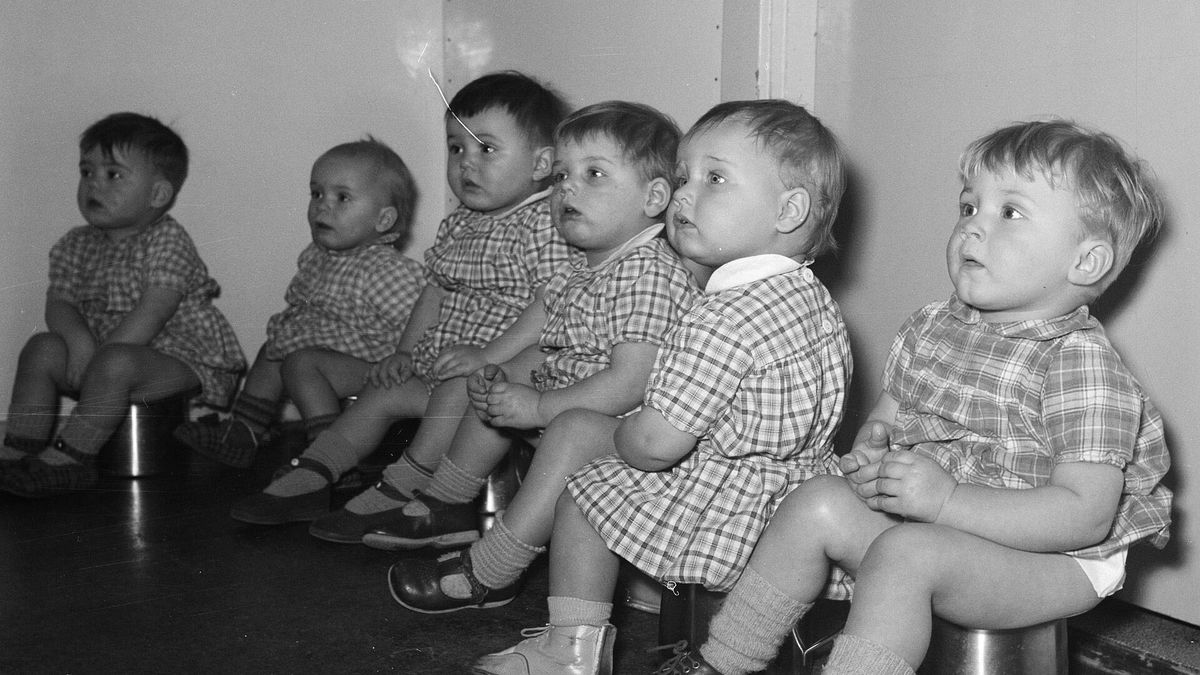
AMS describes a self-care area in its toddler rooms that “fosters toilet awareness and independence in maintaining personal hygiene” (AMS).
Day-to-day practice still varies by school. Some rooms put children in underwear during the day and use diapers only at nap, and others take diapers or pull-ups from home.
Ask the School. What should my child wear, and how many spare sets of clothes should we send?
What Happens if My Child Has Accidents?
Ask before you enroll. Find out who helps the child change, whether the child is expected to help, and at what point the school would call you. Ask too whether there is a date by which a child must be out of diapers, and what happens if your child misses it.
Tip. If your child isn’t ready by the start date, ask whether they can stay in the toddler room and move up later in the year. The same AMI article says the move up can happen midyear when a child is ready, because the calendar shouldn’t decide it.
Can a School Refuse a Child Who Needs Diapers Because of a Disability?
Generally not, if it diapers other children. The US Department of Justice says privately run child care centers are covered by Title III of the Americans with Disabilities Act. Its guidance says centers that diaper young children generally must diaper older children who need it because of a disability (ADA.gov, updated February 28, 2020).
A center that never gives toileting help to any child doesn’t have to start for one child, according to the same guidance. Even then, it can’t exclude a child for not being toilet trained if another arrangement works, such as a parent or personal assistant coming in to do the changing.
Good to Know. Centers actually run by religious organizations are exempt from Title III. Public programs fall under Title II of the same law.
What Should I Ask the School?
- Does a child need to be out of diapers to start in this class, and by what date?
- What counts as toilet trained here? Is it fine if my child still needs reminders or help with clothing?
- Do children wear underwear, pull-ups or diapers during the day and at nap?
- If my child isn’t ready by the start date, can they stay in the toddler room or start later?
- Where is the policy written, in the handbook or the enrollment contract?
An Email You Can Copy
Change the parts in brackets and send it to the school’s admissions contact.
- Hello [name],
- We are interested in your [toddler or 3 to 6] class for [month and year].
- Our child, [first name], was born on [date] and is [still in diapers / learning to use the toilet / using the toilet with some accidents].
- Does a child need to be toilet trained to start in that class, and if so, by what date?
- What does the class do when a child has an accident, and what should we send from home?
- Is this policy the same in every classroom at your school, and where is it written down?
- If our child isn’t ready by the start date, could they begin in another class or join later in the year?
- Thank you, [your name and phone number]
Every school page in our directory lists a website and phone number. Pick two or three schools from your city’s page, send each one the same email, and compare the answers. For age rules, see what age your child can start Montessori, and for programs under 3, what Montessori daycare means.
Find Montessori Schools Near You
Search by city, zip code or school name, or browse every country.
Browse All LocationsRelated Guides
What Is a Montessori School? A Morning in the Classroom, Explained
What a Montessori school is, told through one illustrative morning, with mixed ages, the guide, the materials, programs by age and honest trade-offs.
6 min read

How Much Does Montessori School Cost Once You Add Fees and Aftercare?
Build a real Montessori budget from tuition, fees, meals, aftercare and closed weeks, with dated national figures, tax help and questions for the school.
6 min read


How to Choose a Montessori School Before You Book a Tour
Narrow a Montessori shortlist before touring, using your child's age at entry, an ordinary weekday school run, your top priorities and what listings show.
5 min read