Do Montessori Schools Give Grades? How Parents Can See Their Child's Progress
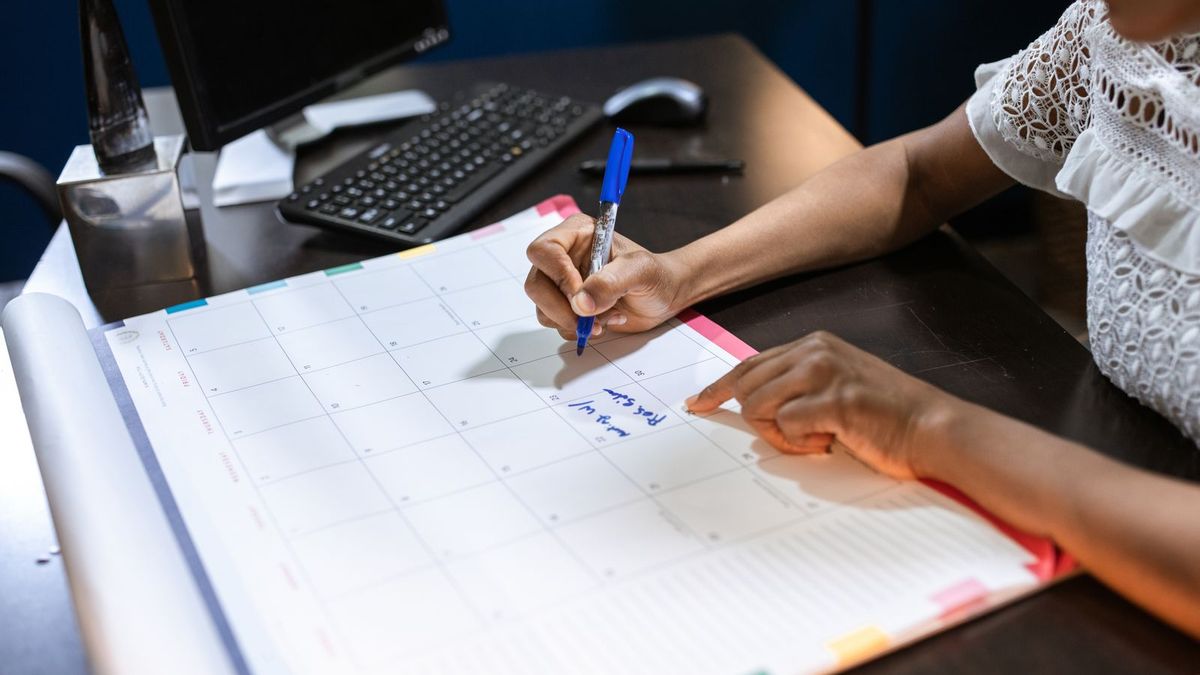
Many Montessori schools don’t give letter grades in preschool and elementary, but no Montessori rule forbids them, so practice varies from school to school. Teachers keep records of what each child has been shown and has mastered, then report to parents through conferences, written progress reports and samples of work. Montessori high school programs often switch to letter grades and a GPA, because colleges expect a transcript.
What Do Teachers Use in Place of Grades?
The record starts in the classroom. AMS describes teachers who “observe and keep records of which classroom materials each child engages, has mastered,” and calls that record keeping formative assessment (AMS, 2022). In practice that means a log of lessons given, notes on how a child worked, and a sense of what comes next.
Families see a summary of it. AMS says the summary usually takes the form of an annual report card or progress report, and that “How this is measured will differ from school to school.”
The reports you’re likely to see take one or more of these forms.
- A narrative report, in the teacher’s own words, on each area of the classroom
- A checklist of lessons and skills showing what the child has been shown and what they have mastered
- A portfolio or folder of dated work samples
- Parent conferences, where the teacher walks you through the record
An older study found the same mix. In a 1999 survey of elementary teachers at 108 AMS member schools, respondents named non-graded report cards, teachers’ written notes and student portfolios as the reporting that worked for parent conferences (Roemer, 1999).
How Will I Know If My Child Is Falling Behind?
Parents who ask about grades are often asking this. Without a letter on a report card, a parent can go months without noticing that a child has been avoiding math. A good system makes that visible, and a weak one leaves you to find out at the end of the year.
Ask the School. What happens if a child skips one area for several weeks? A teacher who keeps careful records can usually tell you how they would notice, what lesson they would offer next, and when they would call you. A vague answer about following the child’s interests tells you less.
Ask, too, to see an anonymized progress report for the level your child would join. AMS advises parents to “ask how academic growth is measured and review the template used for end-of-year reports.” A blank template shows you what the school tracks. A filled-in example with the name removed shows you how specific the teacher’s notes are.
Do Montessori Schools Use Tests?
Often, yes, even where there are no letter grades. In that same 1999 survey, 93% of respondents used some kind of standardized achievement test. AMS notes that schools may bring in testing at the elementary or secondary level, partly so students get used to the format (AMS, 2022).
Public Montessori schools give the same state tests as other public schools in their state. Private schools decide for themselves, within whatever their state requires, so ask which tests your child would take, in which grades, and whether families see the scores.
When Do Letter Grades Start?
There is no fixed grade for it. High school credit is a common trigger, since a transcript needs grades or an equivalent that colleges can read. Oak Farm Montessori School in Indiana, for example, publishes a letter grade scale for its high school, a 4-point GPA and a grade of 70 as the minimum for credit (Oak Farm). Even at that level, AMS says Montessori secondary programs typically avoid “high stakes” testing (AMS).
Tip. If your child might move to a conventional school later, ask what the school sends along. A narrative report travels fine, but the receiving school may also ask for test scores or a summary by grade level.
If your child will stay through high school, the transcript matters more than the report card. Our guide to Montessori high schools covers what to ask about diplomas and college applications.
Each school page in our directory lists its programs and, for many US private schools, the grades served according to federal data. Search your area from our locations page to see which nearby schools run into middle or high school, the levels where grades and GPAs are more likely.
What to Ask the School
- Can I see a blank progress report, or an anonymized one, for my child’s level?
- How often will I get a written report, and how often a conference?
- What do teachers record about each child, and how often?
- What would you do if my child avoided one subject, such as reading or math, for several weeks?
- Which standardized tests do you give, in which grades, and do you share the scores?
- At what grade, if any, do letter grades begin?
Take these to the visit along with our tour checklist, which covers what to watch in the classroom while you’re there.
Find Montessori Schools Near You
Search by city, zip code or school name, or browse every country.
Browse All LocationsRelated Guides
What Is a Montessori School? A Morning in the Classroom, Explained
What a Montessori school is, told through one illustrative morning, with mixed ages, the guide, the materials, programs by age and honest trade-offs.
6 min read
How Much Does Montessori School Cost Once You Add Fees and Aftercare?
Build a real Montessori budget from tuition, fees, meals, aftercare and closed weeks, with dated national figures, tax help and questions for the school.
6 min read
How to Choose a Montessori School Before You Book a Tour
Narrow a Montessori shortlist before touring, using your child's age at entry, an ordinary weekday school run, your top priorities and what listings show.
5 min read